Unit Plan 21 (Grade K Library): Sorting and Grouping Books
Kindergarten library unit on sorting books by topic, type, cover clues, and features while building partner work and responsible book handling.

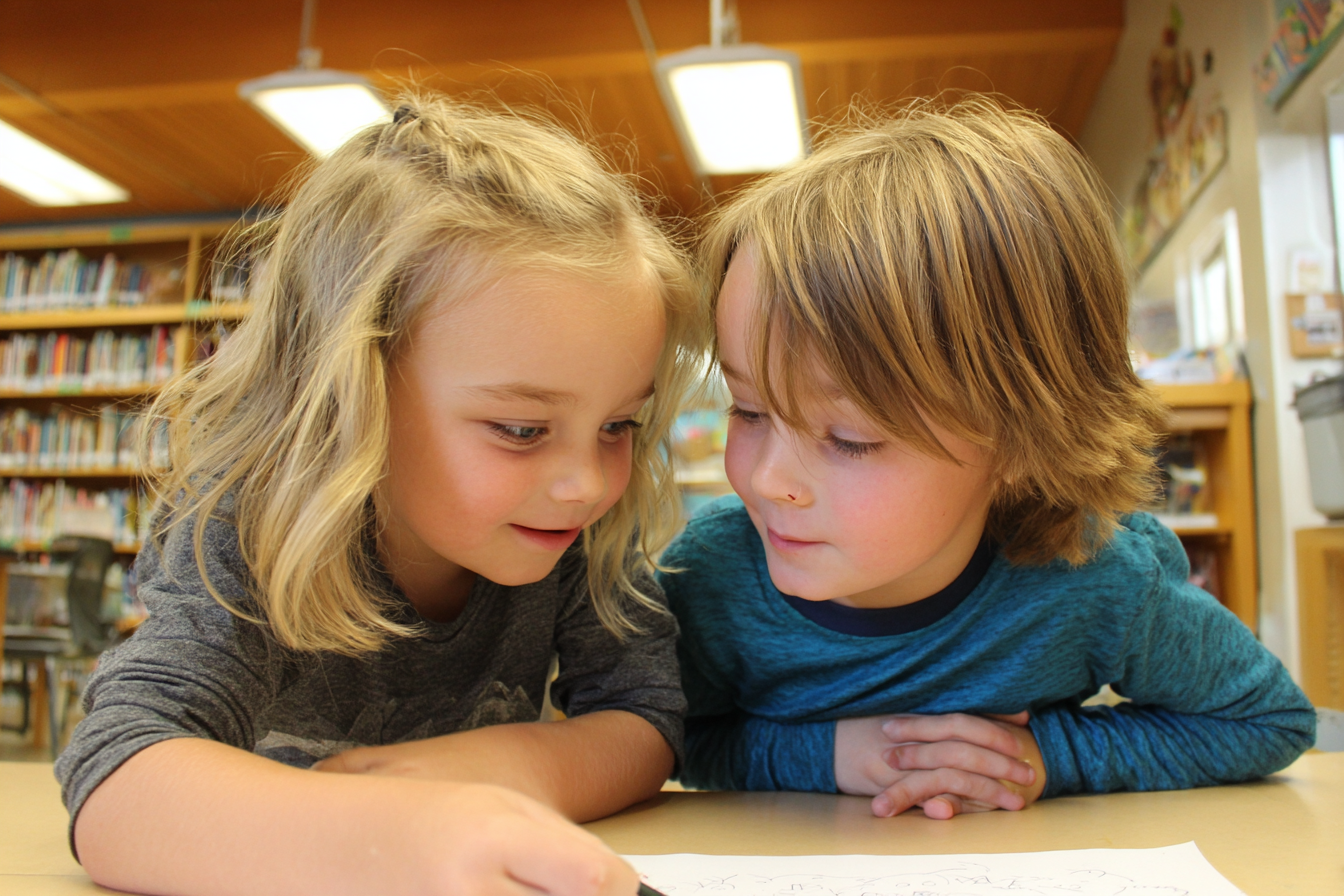
Focus: Help Kindergarten students begin organizing library materials by simple features such as topic, type, cover clues, pictures, or visual similarities. Students sort books into broad groups such as animals, weather, stories, transportation, or community helpers while practicing careful handling, partner work, and returning materials to the correct place.
Grade Level: K
Subject Area: Library (Book Organization • Sorting/Grouping • Responsible Book Handling)
Total Unit Duration: 1–3 weeks, 50–60 minutes per session
I. Introduction
This unit introduces Kindergarten students to the idea that libraries organize books and materials so people can find what they need. Students begin with simple, visible categories such as animals, weather, stories, transportation, families, community helpers, or books with similar cover clues. The librarian models how to look at covers, pictures, topics, and obvious features before deciding where a book or card belongs. Through partner sorting, book basket work, and careful return routines, students begin developing foundational curation habits while also strengthening responsibility for shared library materials.
Essential Questions
- How can I sort and group books or materials in the library?
- What clues can covers, pictures, topics, or features give me?
- How can working with a partner help me organize materials?
- Why is it important to handle books carefully and return them to the correct place?
II. Objectives and Standards
Learning Objectives — Students will be able to:
- Sort and group books or materials in simple ways by topic, type, or feature.
- Work with a partner or small group during a sorting, matching, discussion, or simple inquiry activity.
- Handle books and materials carefully and return them to the correct place with growing independence.
- Use cover clues, illustrations, topic labels, or visual similarities to decide where materials belong.
- Explain or show why two or more books or materials belong together.
- (Optional Sessions) Strengthen sorting and grouping skills through repeated practice with book baskets, picture cards, partner tasks, and return routines.
Standards Alignment — Kindergarten (AASL-based Custom)
- L:S4.Kc — Sort and group books or materials in simple ways by topic, type, or feature.
- Example: A student helps place books into baskets labeled animals, weather, or stories.
- L:S3.Ka — Work with a partner or small group during story retelling, sorting, discussion, or simple inquiry activities.
- Example: Two students work together to match animal books with animal picture cards.
- L:S4.Kb — Handle books and materials carefully and return them to the correct place with growing independence.
- Example: A student carries a book with two hands and places it in the return bin when finished.
Success Criteria — Student Language
- I can sort books or materials into groups.
- I can use pictures, covers, topics, or labels as clues.
- I can work with a partner during a sorting task.
- I can handle books carefully.
- I can return books or materials to the correct place.
- I can tell or show why things belong together.