Unit Plan 7 (Grade K Library): Stories About Families and Community
Kindergarten library unit on stories about families, communities, belonging, and respectful response through talk, art, play, writing, and movement.

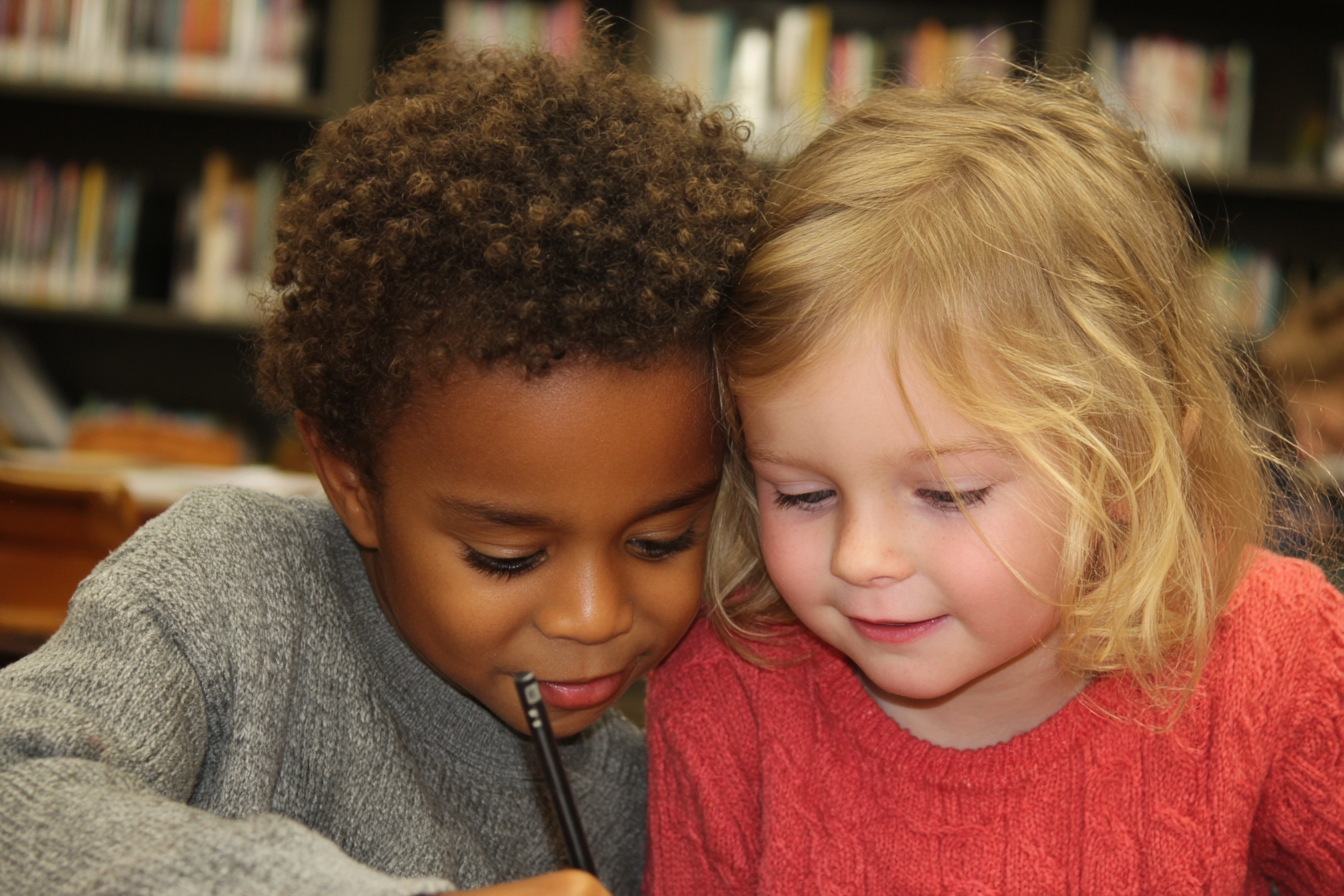
Focus: Help Kindergarten students see the library as a place where many families, schools, neighborhoods, communities, experiences, and ideas belong. Students listen to stories that may reflect their own lives or introduce unfamiliar experiences, then respond through talk, art, play, writing, or movement.
Grade Level: K
Subject Area: Library (Community • Belonging • Story Response)
Total Unit Duration: 1–3 weeks, 50–60 minutes per session
I. Introduction
This unit uses picture books about families, school, neighborhoods, and communities to help Kindergarten students understand that the library includes many kinds of stories and experiences. Some books may feel like mirrors, helping students see parts of their own lives, while others may feel like windows, helping students learn about people, places, or traditions that are new to them. The librarian guides students to listen respectfully, notice similarities and differences, and make simple personal connections. Through read-alouds, discussion, drawing, play, and sharing, students begin to understand that many voices and experiences belong in the library community.
Essential Questions
- What can stories teach us about families and communities?
- How can a book remind me of my own life or show me something new?
- How can different people, places, cultures, experiences, and ideas belong in the library?
- How can I respond to a story through talking, drawing, play, writing, or movement?
II. Objectives and Standards
Learning Objectives — Students will be able to:
- Listen to stories and information about different people, places, cultures, experiences, and ideas.
- Recognize that people may enjoy different books, topics, and viewpoints and that all belong in the library.
- Make simple personal connections to stories about families, schools, neighborhoods, or communities.
- Notice similarities and differences between their own experiences and the experiences shown in books.
- Use stories, play, art, writing, talk, or movement to explore and respond to ideas from library lessons.
- (Optional Sessions) Strengthen belonging and community understanding through additional read-alouds, response choices, and respectful sharing.
Standards Alignment — Kindergarten (AASL-based Custom)
- L:S2.Ka — Listen to stories and information about different people, places, cultures, experiences, and ideas.
- Example: A student listens to a folktale from another country and notices how it is similar to a story they already know.
- L:S2.Kc — Recognize that people may enjoy different books, topics, and viewpoints, and that all belong in the library.
- Example: A student understands that one classmate may choose a dinosaur book while another chooses a fairy tale.
- L:S5.Ka — Use stories, play, art, writing, talk, or movement to explore and respond to ideas from library lessons.
- Example: A student draws a favorite story scene and explains what is happening.
Success Criteria — Student Language
- I can listen to stories about different families and communities.
- I can notice something that is the same or different from my own life.
- I can understand that different people may like different books and ideas.
- I can share a simple connection to a story.
- I can draw, talk, act, write, or move to show my thinking about a story.
- I can help everyone feel like they belong in the library.