Unit Plan 13 (PreK Library): Fiction and Information Books
PreK library unit helping children compare storybooks and information books while exploring book purpose, pictures, topics, and choice.

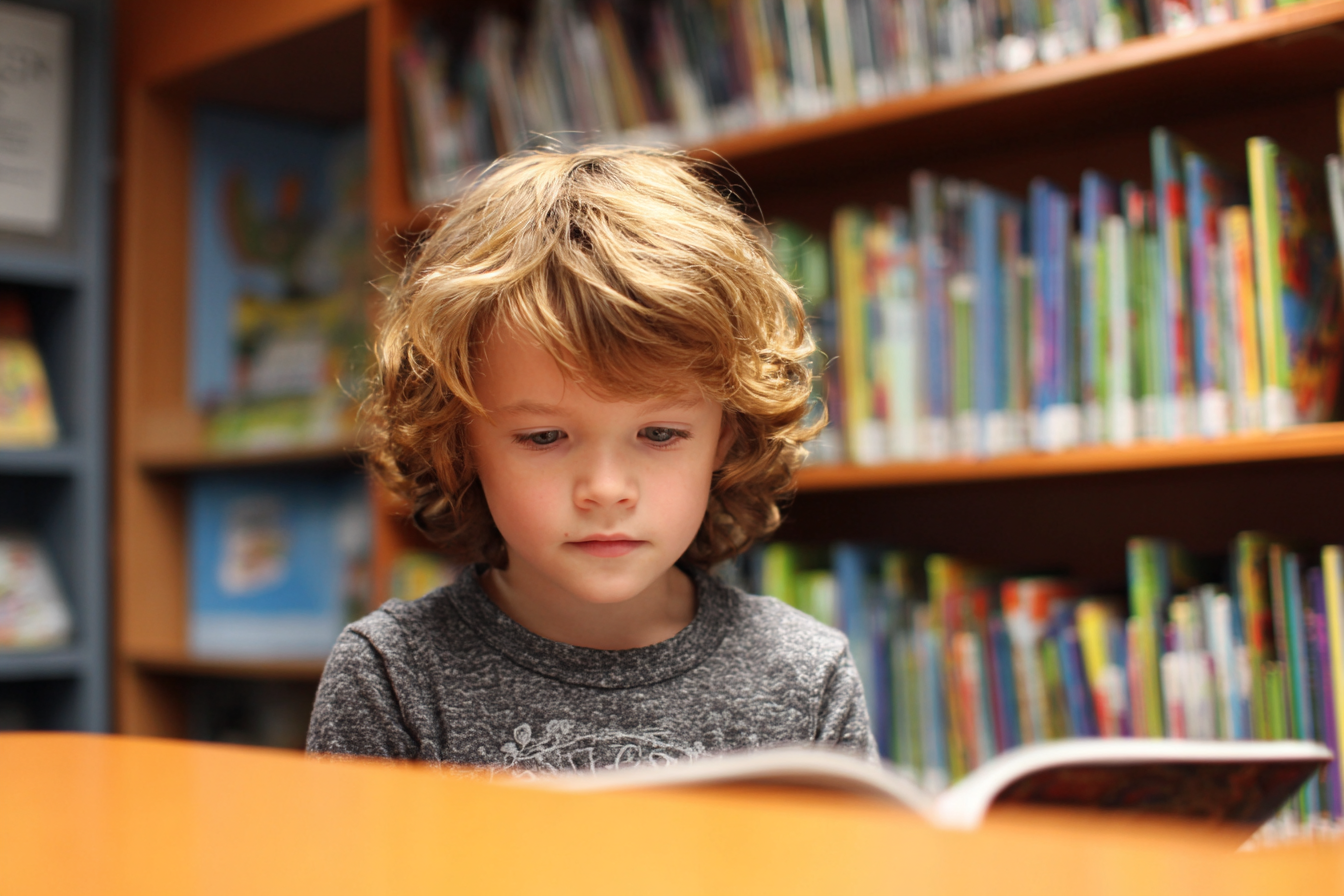
Focus: Help PreK children begin noticing that some books tell stories and some books teach us about real things. Children compare one storybook and one simple information book on a similar topic, such as animals, weather, transportation, plants, or community helpers, while using pictures, conversation, and guided book choice to explore how books can work in different ways.
Grade Level: PreK
Subject Area: Library (Fiction/Information Books • Book Purpose • Early Information Literacy)
Total Unit Duration: 1–3 weeks, 20–30 minutes per session
I. Introduction
This PreK library unit introduces children to a very simple distinction between books that tell stories and books that help readers learn about the real world. At this age, students do not need formal genre vocabulary beyond concrete language such as “This book tells a story” and “This book teaches us about real things.” The librarian can make the concept clear by pairing two books on a similar topic, such as a story about a puppy and an information book about dogs, or a story about a rainy day and a nonfiction book about weather.
Children look closely at covers, pictures, and pages to notice how the books feel different. A storybook may have characters, pretend events, or a beginning and ending, while an information book may have photographs, labels, facts, or real-world pictures. The goal is to help children understand that both kinds of books belong in the library and that readers can choose books for different purposes: to enjoy a story, to learn something, or to explore a topic they like.
Essential Questions
- How are storybooks and information books different?
- How can pictures, stories, and conversation help me learn about a topic?
- How can I choose a book based on my interest, pictures, topic, or recommendation?
- How can trying different kinds of books help me learn and enjoy library time?
II. Objectives and Standards
Learning Objectives — Students will be able to:
- Use pictures, stories, and conversation to begin exploring answers to simple questions.
- Choose books and materials based on interest, pictures, topic, or recommendation.
- Try out new books, tools, and learning experiences with guidance.
- Notice that some books tell stories and some books teach about real things.
- Compare two books on a similar topic using simple language such as “story” and “real.”
- (Optional Sessions) Strengthen early book-purpose understanding through paired read-alouds, picture noticing, topic baskets, sorting, and guided book choice.
Standards Alignment — PreK (AASL-based Custom)
- L:S1.PKb — Use pictures, stories, and conversation to begin exploring answers to simple questions.
- Example: A child looks through a nonfiction picture book to learn about insects after a class discussion.
- L:S4.PKa — Choose books and materials based on interest, pictures, topic, or recommendation.
- Example: A child selects a book about animals because they are interested in pets.
- L:S5.PKb — Try out new books, tools, and learning experiences with guidance.
- Example: A child uses a listening center, story app, or picture database for the first time.
Success Criteria — Student Language
- I can listen to a storybook.
- I can look at an information book.
- I can notice if a book tells a story or teaches about real things.
- I can use pictures to learn something.
- I can choose a book that interests me.
- I can try different kinds of books with help.