Unit Plan 16 (PreK Library): Retelling Familiar Stories
PreK library retelling unit where children use puppets, props, pictures, movement, and first-next-last sequencing to show story understanding.

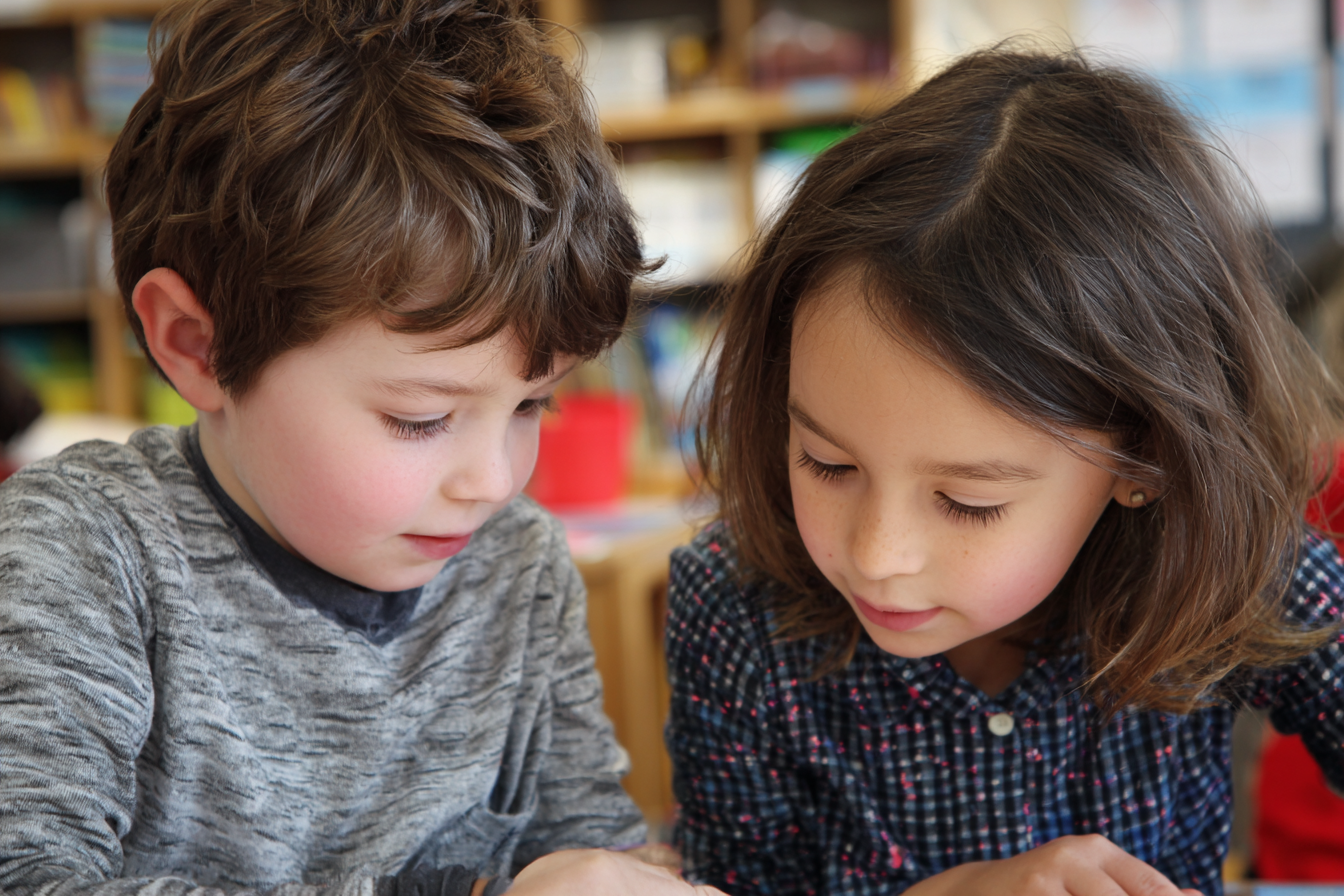
Focus: Help PreK children revisit familiar, predictable, or repeated stories and practice retelling important parts using speech, pictures, puppets, sequencing cards, props, movement, or creative play. Children participate in group retellings, share observations and ideas, and respond creatively to show understanding of books.
Grade Level: PreK
Subject Area: Library (Retelling • Comprehension • Creative Story Response)
Total Unit Duration: 1–3 weeks, 20–30 minutes per session
I. Introduction
This PreK library unit helps children retell familiar stories in simple, supported ways. Young children often understand more than they can explain in full sentences, so retelling through puppets, pictures, gestures, repeated phrases, dramatic play, and sequencing cards gives them accessible ways to show comprehension. The librarian chooses predictable or repeated stories that children have already heard or can quickly learn through rhythm, repetition, and strong picture support.
The librarian can introduce beginning, middle, and end in very simple language: “first,” “next,” and “last.” Children may help retell a story as a group, place picture cards in order, use puppets to show characters, act out repeated actions, or share one thing they remember. The goal is not a perfect summary, but joyful participation that strengthens oral language, memory, collaboration, and understanding of how stories work.
Essential Questions
- How can I retell a familiar story?
- What happened first, next, and last?
- How can pictures, puppets, props, movement, or talking help me show a story?
- How can I share an observation or idea about a book with others?
II. Objectives and Standards
Learning Objectives — Students will be able to:
- Participate in group responses to stories, songs, and discussions.
- Respond creatively to books and topics through making, building, dramatizing, or talking.
- Share observations and ideas about books, topics, and objects introduced in library lessons.
- Retell important parts of a familiar story using speech, pictures, puppets, props, movement, or sequencing cards.
- Use simple sequence language such as first, next, and last with adult support.
- (Optional Sessions) Strengthen retelling through repeated read-alouds, group story responses, sequencing practice, puppet retells, and creative story play.
Standards Alignment — PreK (AASL-based Custom)
- L:S3.PKc — Participate in group responses to stories, songs, and discussions.
- Example: Children join in a class retelling of a familiar story.
- L:S5.PKc — Respond creatively to books and topics through making, building, dramatizing, or talking.
- Example: A child builds a setting from a story using blocks after a read-aloud.
- L:S1.PKc — Share observations and ideas about books, topics, and objects introduced in library lessons.
- Example: A child points out something they noticed in an illustration and explains it to the class.
Success Criteria — Student Language
- I can help retell a story.
- I can remember something that happened in the book.
- I can use pictures, puppets, props, or movement to show the story.
- I can say or show what happened first, next, or last.
- I can share something I noticed or remembered.
- I can join a group story response.