Unit Plan 7 (Grade 1 Counselor): Calm-Down Tools
Teach Grade 1 coping tools with breathing, counting, self-talk, stretching, breaks, help-seeking, and calm choices for big feelings.

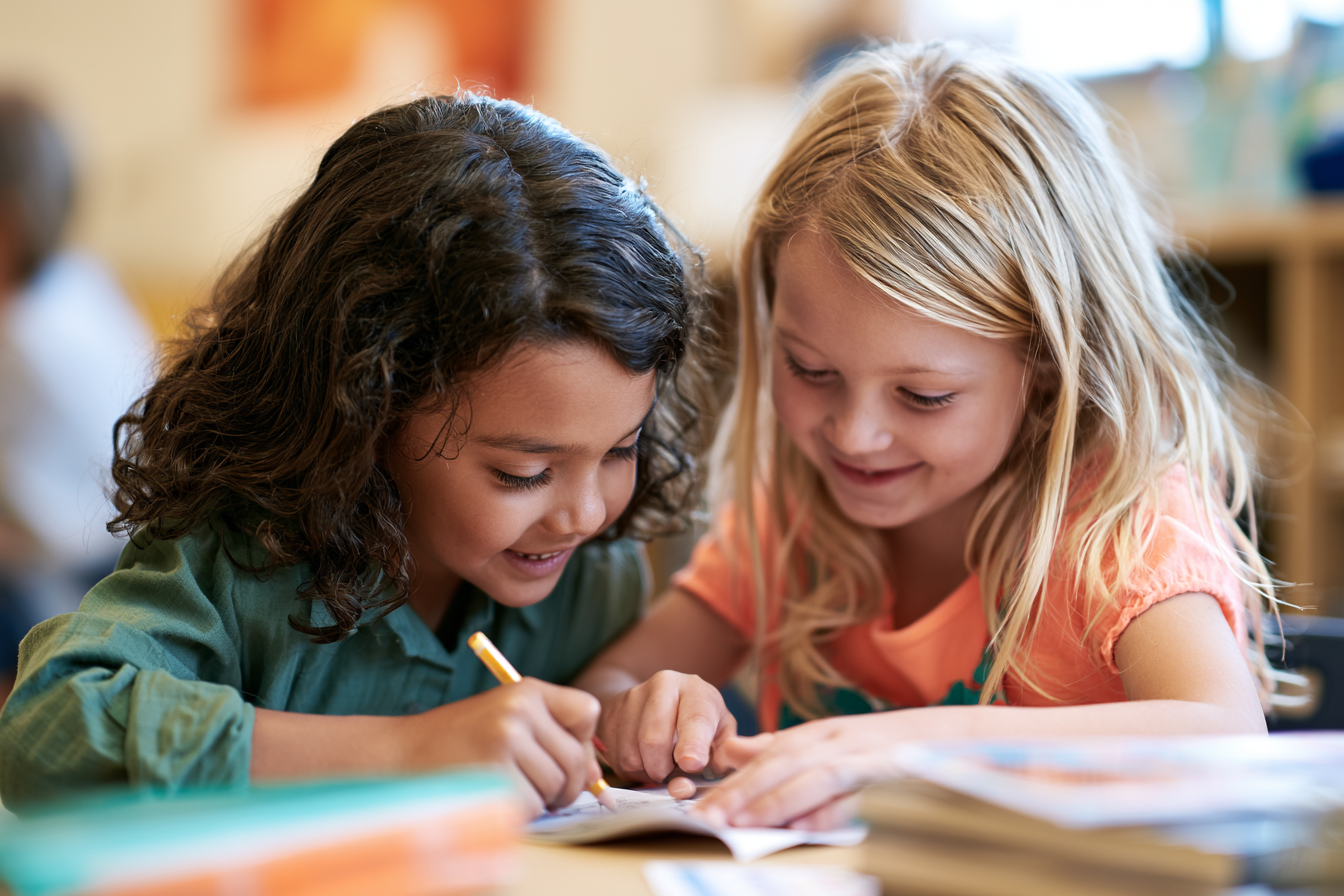
Focus: Introduce or review practical calming and coping strategies students can use when emotions get big. The counselor teaches slow breathing, counting, positive self-talk, stretching, asking for help, taking a short break, or using a quiet voice. Students practice each strategy while calm so they can use it later when frustrated, worried, mad, scared, or upset.
Grade Level: 1
Subject Area: School Counseling (Coping Tools • Emotional Regulation • Calm Choices)
Total Unit Duration: 1–2 weeks, 30 minutes per session
I. Introduction
This Grade 1 counseling lesson helps students learn that big feelings are normal and that students can use tools to help their bodies and brains calm down. Students review common emotions such as mad, worried, scared, frustrated, embarrassed, sad, excited, proud, and calm. They learn that feelings can grow stronger, and calm-down tools help students make safer and kinder choices.
The counselor introduces simple strategies students can practice when they are already calm, including slow breathing, counting, stretching, using a quiet voice, taking a short break, positive self-talk, and asking a trusted adult for help. The goal is for students to understand that coping tools do not make feelings disappear right away, but they can help students pause, think, and choose what to do next.
Essential Questions
- What are some feelings that can become big?
- What does it mean to calm down?
- What tools can students use when they feel mad, worried, scared, frustrated, or upset?
- Why should students practice coping tools when they are calm?
- How can calm-down tools help students make safe and respectful choices?
II. Objectives and Standards
Learning Objectives — Students will be able to:
- Name common emotions that may become big or hard to manage.
- Recognize feelings in themselves, pictures, puppets, scenarios, or story characters.
- Practice calming tools such as slow breathing, counting, stretching, positive self-talk, taking a short break, asking for help, or using a quiet voice.
- Match common feelings to calming tools that may help.
- Explain that coping tools help students calm their bodies, think clearly, and make safe choices.
- (Optional Session) Apply calm-down tools through practice stations, scenario cards, movement practice, or a coping toolbox sort.
Standards Alignment — Grade 1 (ASCA-based Custom)
- C:S2.1a — Name and Recognize Common Emotions
- Identify common emotions in themselves and others, including happy, sad, mad, worried, scared, excited, embarrassed, proud, and calm.
- Example: A student looks at a picture and says, “He looks worried because his eyebrows are up and he is holding his backpack tightly.”
- C:S2.1b — Use Calming and Coping Strategies
- Practice calming tools such as breathing, counting, positive self-talk, asking for help, taking a break, or using a quiet voice.
- Example: A student practices taking three slow breaths before trying again after a mistake.
Success Criteria — Student Language
- I can name feelings that might feel big.
- I can tell when someone might need a calm-down tool.
- I can practice slow breathing, counting, stretching, self-talk, or asking for help.
- I can choose a coping tool for a feeling.
- I can use a calm-down tool before making a choice.