Unit Plan 32 (Grade 1 Counselor): Friendship Skills Review
Review Grade 1 friendship skills with kindness, sharing, turn-taking, listening, inclusion, respectful words, and practice goals.

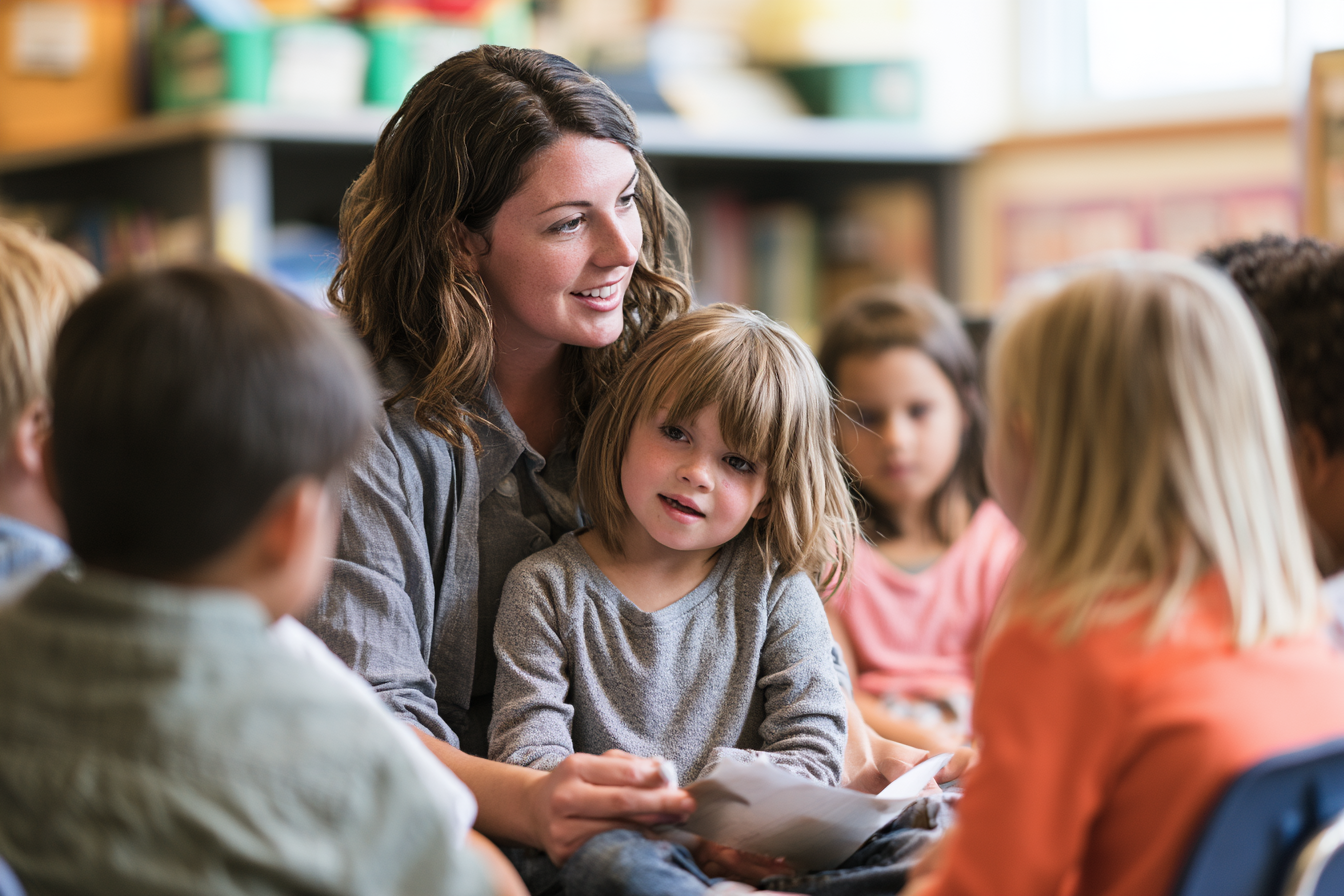
Focus: Review friendship skills including kindness, sharing, turn-taking, listening, including others, and solving problems with words. The counselor uses role-play cards, a friendship game, or a class-created “good friend” chart. Students name one friendship skill they are proud of and one they want to keep practicing.
Grade Level: 1
Subject Area: School Counseling (Friendship Skills • Kindness • Cooperation)
Total Unit Duration: 1–2 weeks, 30 minutes per session
I. Introduction
This Grade 1 counseling lesson helps students review the friendship skills they have practiced throughout the year. Students revisit how good friends use kind words, invite others, share materials, take turns, listen respectfully, respond with care, and solve problems safely with words.
The counselor uses an active review format such as role-play cards, a friendship game, picture scenarios, partner practice, or a class-created “good friend” chart. Students identify friendship skills they are already using well and choose one skill they want to keep practicing. The goal is for students to see friendship as something they can learn, practice, and improve over time.
Essential Questions
- What are friendship skills?
- How do kind words and actions help friendships?
- How do sharing, turn-taking, and cooperation help classmates work and play together?
- How can students listen and respond respectfully?
- What friendship skill are students proud of, and what skill can they keep practicing?
II. Objectives and Standards
Learning Objectives — Students will be able to:
- Name friendship skills such as kindness, sharing, turn-taking, listening, including others, cooperating, and solving problems with words.
- Identify kind words and actions that help classmates feel welcome, respected, and included.
- Practice sharing, taking turns, waiting appropriately, and working with classmates during a friendship activity.
- Listen when others speak and respond in ways that show care, attention, and respect.
- Match common friendship situations to helpful friendship skills.
- Name one friendship skill they are proud of and one skill they want to keep practicing.
- (Optional Session) Apply friendship skills through role-play cards, a friendship game, partner listening practice, a class “good friend” chart, or cooperative challenge.
Standards Alignment — Grade 1 (ASCA-based Custom)
- C:S3.1a — Use Kind Words and Actions
- Demonstrate kindness through helpful words, friendly invitations, encouragement, and respectful behavior.
- Example: A student says, “You can play with us,” when noticing a classmate standing alone.
- C:S3.1b — Share, Take Turns, and Cooperate
- Practice sharing materials, taking turns, waiting appropriately, and working with classmates during activities.
- Example: A student waits for a turn during a classroom game and says, “You can go first.”
- C:S3.1c — Listen and Respond Respectfully
- Listen when others speak and respond in ways that show care, attention, and respect.
- Example: A student listens to a partner’s idea and says, “I heard you say you felt nervous too.”
Success Criteria — Student Language
- I can name friendship skills.
- I can use kind words and actions.
- I can share, take turns, and cooperate.
- I can listen when someone else is speaking.
- I can respond in a respectful way.
- I can name one friendship skill I am proud of.
- I can name one friendship skill I want to keep practicing.