Unit Plan 35 (Grade 1 Counselor): Look How I Have Grown
Help Grade 1 students reflect on feelings, coping tools, friendship growth, goals, and progress with before-and-now activities.

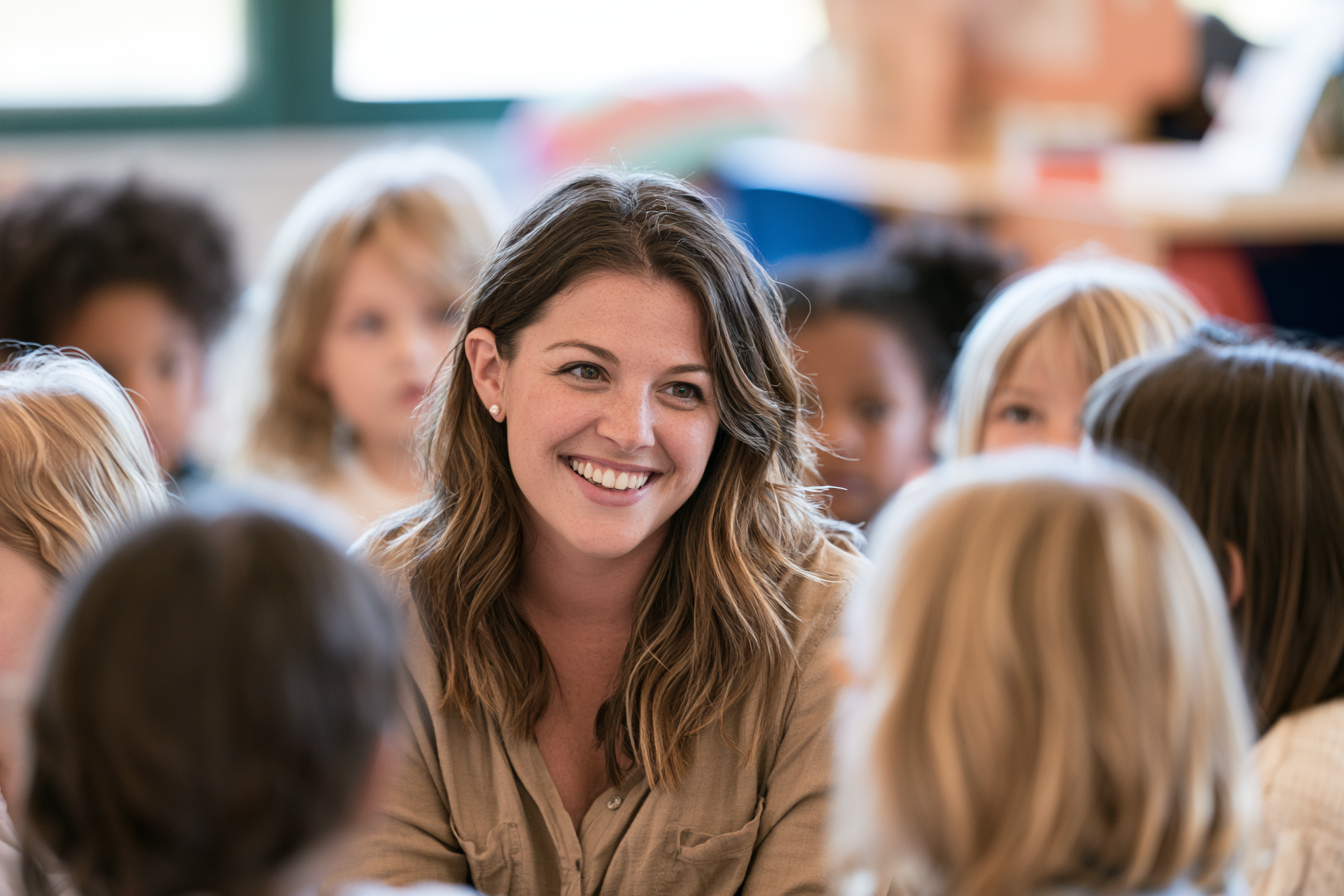
Focus: Invite students to reflect on their social, emotional, and school-success growth. The counselor guides students to name a feeling they can identify, a coping strategy they can use, a friendship skill they improved, or a goal they worked toward. Students may complete a “before and now” drawing or share one thing they can do better than at the beginning of the year.
Grade Level: 1
Subject Area: School Counseling (Reflection • Growth Mindset • Goal Progress)
Total Unit Duration: 1–2 weeks, 30 minutes per session
I. Introduction
This Grade 1 counseling lesson helps students pause and notice how much they have grown across the year. Students reflect on feelings they can name, coping tools they can use, friendship skills they have practiced, responsible choices they have made, and goals they have worked toward. The lesson celebrates progress without comparing students to one another.
The counselor uses a “before and now” drawing, reflection cards, class discussion, or growth celebration activity to help students describe their learning in simple, age-appropriate language. Students practice saying things like “At the beginning of the year, I was learning to use calm words. Now I can say, ‘I need help,’” or “I used to feel nervous joining a game. Now I can ask, ‘Can I play?’” The goal is for students to see that growth happens through practice, support, mistakes, and trying again.
Essential Questions
- How have students grown this year?
- What feelings can students name and understand better now?
- What coping tools can students use when feelings get big?
- What friendship or school-success skills have students improved?
- What goal did students work toward, and what can they keep practicing?
II. Objectives and Standards
Learning Objectives — Students will be able to:
- Name a feeling, need, or school experience they understand better now than earlier in the year.
- Identify a personal strength, interest, or area of growth.
- Describe one social, emotional, friendship, behavior, responsibility, or school-success skill they have improved.
- Use growth mindset language such as “I am still learning,” “I can try again,” or “I can keep practicing.”
- Name a simple goal they worked toward or want to continue practicing.
- Complete a “before and now” drawing, reflection card, partner share, or class growth activity.
- (Optional Session) Apply reflection skills through a growth gallery, goal review, coping-tool review, friendship-skill reflection, or celebration circle.
Standards Alignment — Grade 1 (ASCA-based Custom)
- C:S1.1a — Identify Feelings, Needs, and Experiences
- Name basic feelings, describe simple needs, and connect emotions to common school or home experiences.
- Example: A student says, “I feel frustrated because I could not finish my work.”
- C:S1.1b — Recognize Strengths, Interests, and Growth
- Identify personal strengths, interests, and things they are learning to improve.
- Example: A student says, “I am good at helping others, and I am still practicing reading.”
- C:S5.1b — Keep Trying and Use a Growth Mindset
- Understand that learning takes practice and use helpful self-talk when work feels hard.
- Example: A student says, “I cannot do it yet, but I can try again.”
- C:S5.1c — Set and Work Toward a Simple Goal
- Name a small goal related to learning, behavior, friendship, responsibility, or coping.
- Example: A student says, “My goal is to use calm breathing when I feel mad.”
Success Criteria — Student Language
- I can name one way I have grown.
- I can name a feeling or need I understand better now.
- I can name one strength I have.
- I can say something I am still learning.
- I can use growth mindset words.
- I can name one goal I worked on or want to keep practicing.