Unit Plan 17 (Grade 1 Counselor): Setting a Simple School Goal
Teach Grade 1 goal setting with small school goals, strengths, action steps, and reflection on learning, friendship, coping, and responsibility.

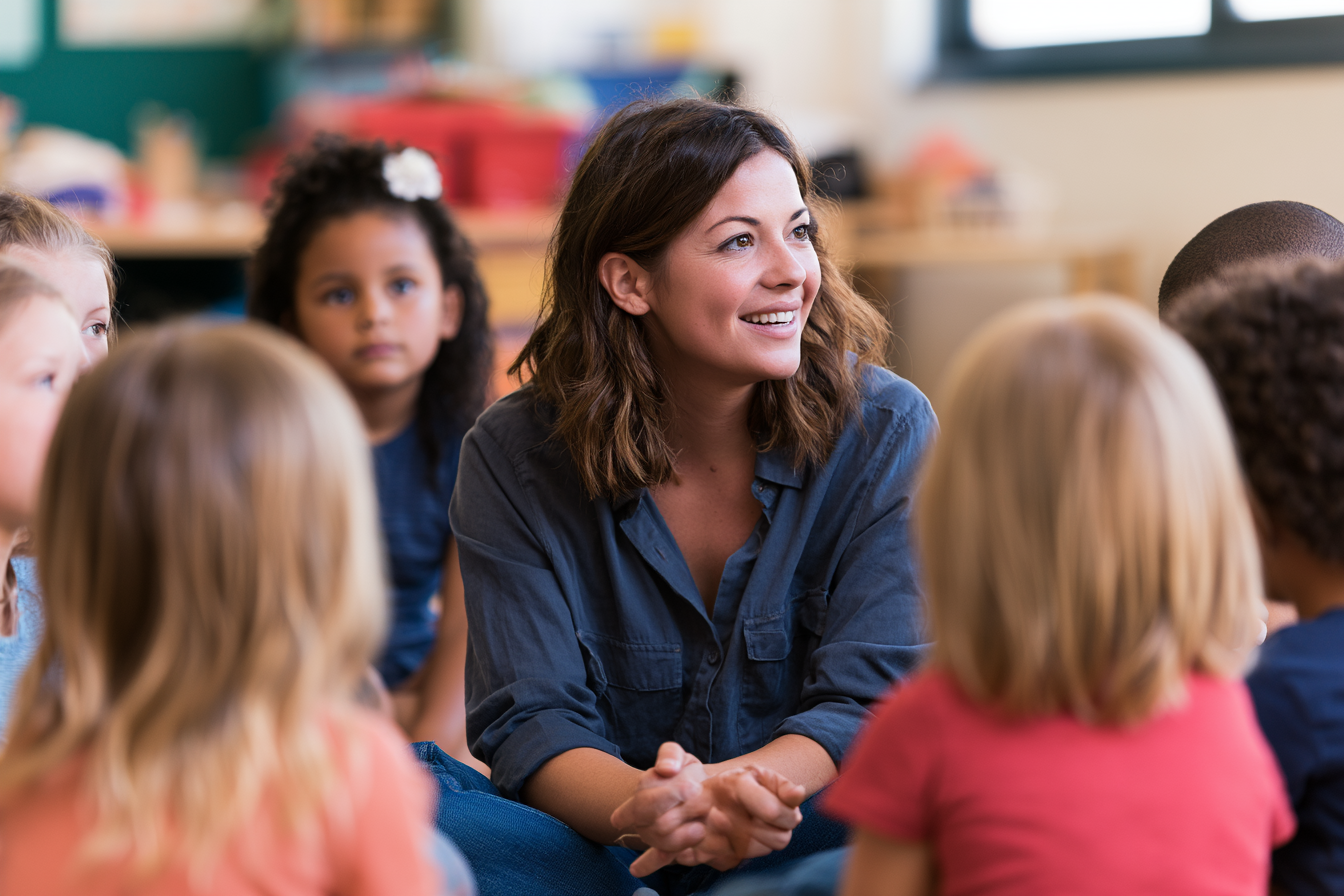
Focus: Introduce realistic goal setting for first graders. Students choose a small goal related to learning, friendship, behavior, responsibility, or coping. The counselor models examples such as “I will raise my hand,” “I will use calm breathing,” “I will ask for help,” or “I will include others at recess.” Students draw or write their goal and name one action step.
Grade Level: 1
Subject Area: School Counseling (Goal Setting • School Success • Strengths and Growth)
Total Unit Duration: 1–2 weeks, 30 minutes per session
I. Introduction
This Grade 1 counseling lesson helps students understand that a goal is something they want to learn, practice, or improve. Students learn that goals should be small enough to try, clear enough to remember, and connected to real school choices. The counselor introduces goals as friendly learning targets, not as something students have to do perfectly right away.
Students choose a goal related to learning, friendship, behavior, responsibility, or coping. They identify one strength or interest they already have and one area where they are still growing. Then students draw or write a simple goal and name one action step that could help them work toward it.
Essential Questions
- What is a goal?
- What is one small school goal a first grader can work on?
- How can strengths and interests help students choose goals?
- What is one action step that helps a goal happen?
- How can listening, following directions, and participating help students work toward goals?
II. Objectives and Standards
Learning Objectives — Students will be able to:
- Explain that a goal is something a student wants to learn, practice, or improve.
- Identify small goals related to learning, behavior, friendship, responsibility, or coping.
- Name one personal strength, interest, or area of growth.
- Choose a realistic school goal and one action step.
- Practice school-ready behaviors such as listening, watching, following directions, participating, and completing a simple goal-setting routine.
- Use goal language such as “My goal is ___,” “I can practice by ___,” and “One step I can take is ___.”
- (Optional Session) Apply goal-setting skills through goal cards, partner sharing, drawing, reflection, or a class goal display.
Standards Alignment — Grade 1 (ASCA-based Custom)
- C:S5.1c — Set and Work Toward a Simple Goal
- Name a small goal related to learning, behavior, friendship, responsibility, or coping.
- Example: A student says, “My goal is to use calm breathing when I feel mad.”
- C:S5.1a — Practice Listening and Following Directions
- Use school-ready behaviors such as listening, watching, following directions, participating, and completing classroom routines.
- Example: A student follows a three-step counselor lesson direction: listen, choose a card, and share with a partner.
- C:S1.1b — Recognize Strengths, Interests, and Growth
- Identify personal strengths, interests, and things they are learning to improve.
- Example: A student says, “I am good at helping others, and I am still practicing reading.”
Success Criteria — Student Language
- I can explain what a goal is.
- I can choose a small school goal.
- I can name one strength or interest.
- I can name one thing I am still learning.
- I can choose one action step for my goal.
- I can listen, follow directions, and complete my goal activity.