Unit Plan 3 (Grade 1 Social Studies): Rules Keep Us Safe
Teach first graders why rules matter for fairness and safety through stories, discussions, and role-play, helping them follow and help create simple classroom agreements.

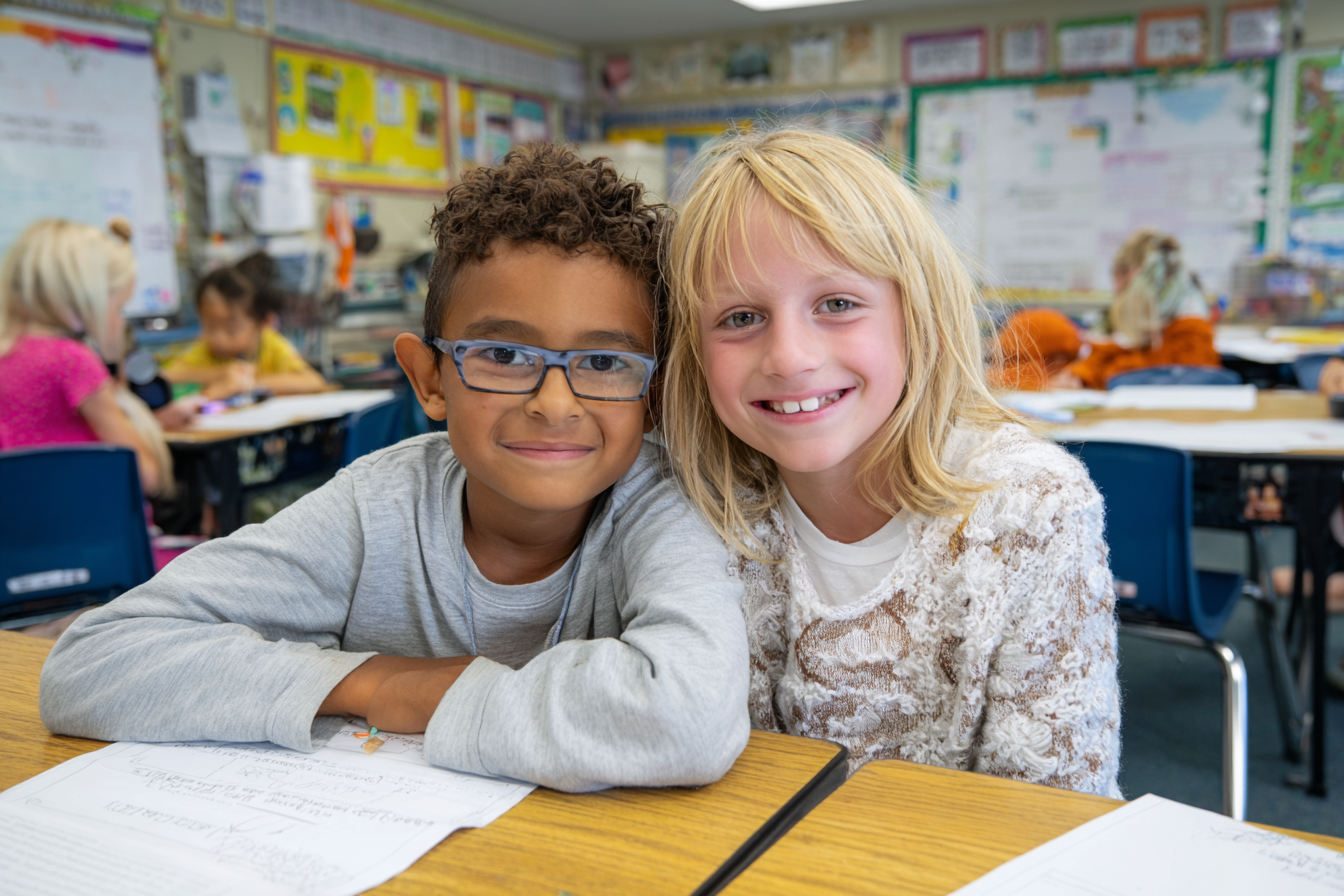
Focus: Help students understand that rules and routines exist to support fairness and safety, and give them chances to follow and help create classroom rules through stories, discussions, and role-play.
Grade Level: 1
Subject Area: Social Studies (Civics • Inquiry • Community)
Total Unit Duration: 5 sessions (one week), 30–45 minutes per session
I. Introduction
In this unit, students explore why rules matter at school and in other places. Through picture books, scenarios, and simple role-plays, they learn that rules and routines are made to keep people safe, to help us be fair, and to help everyone learn and play together. Students practice following rules in classroom games and help create or revise a small set of class agreements.
Essential Questions
- Why do we have rules and routines at school?
- How do rules help keep us safe, fair, and kind to others?
- What can happen when people do not follow rules?
- How can students help make and follow rules in our classroom?
II. Objectives and Standards
Learning Objectives — Students will be able to:
- Explain in their own words why we have rules and routines in the classroom and at school.
- Give at least one reason a specific classroom rule helps keep people safe or treated fairly.
- Listen to and gather ideas from simple sources (picture books, photos, teacher read-alouds, brief interviews) about rules and safety.
- Participate in role-plays that show what following and breaking rules can look like.
- Help create or revise 3–5 classroom agreements and state how they will follow them.
Standards Alignment — 1st Grade (C3-based custom)
- 1.C3.Civ.1 — Explain why rules and routines exist; connect to fairness and safety.
- Example: Give a reason for a classroom rule and how it helps everyone.
- 1.C3.Inq.2 — Gather information from simple sources (photos, maps, short texts, interviews).
- Example: Use a picture book and a class interview with the custodian to learn about school jobs.
Success Criteria — Student Language
- I can tell why we have rules in our classroom.
- I can give one reason a rule helps us be safe or fair.
- I can listen to a story or picture and tell what rule it shows.
- I can act out following a rule in a classroom game.
- I can help make a class rule and say how I will follow it.