Unit Plan 26 (Grade K Library): Retelling with Props and Puppets
Kindergarten library retelling unit using puppets, props, and story tools to build comprehension, collaboration, and playful response skills.

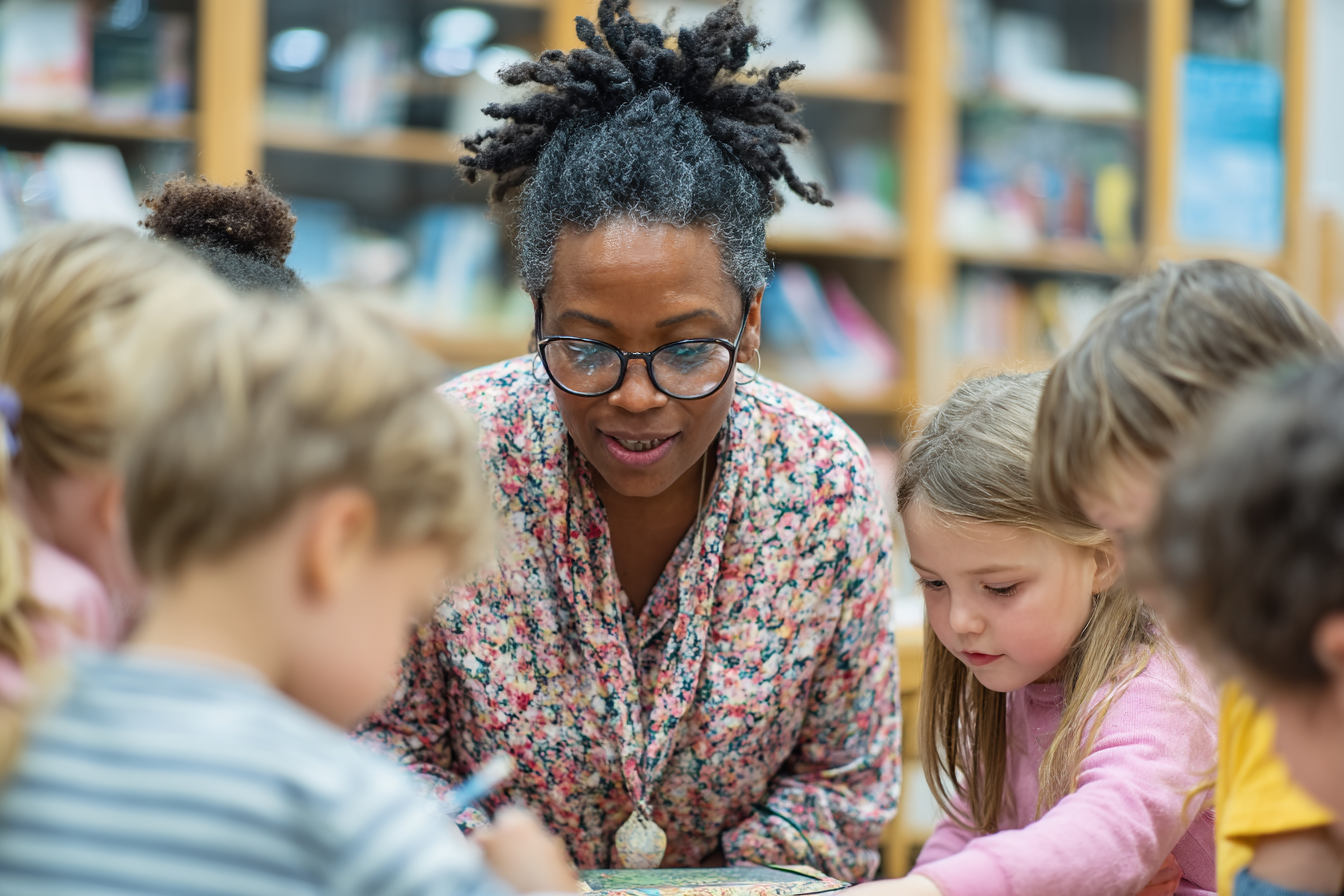
Focus: Build Kindergarten students’ story comprehension and collaboration through hands-on retelling with props, puppets, felt pieces, sequencing cards, and role-play. Students recreate a familiar story by identifying characters, settings, and events while sharing materials, taking turns, and showing understanding through playful story response.
Grade Level: K
Subject Area: Library (Retelling • Puppets/Props • Collaborative Story Response)
Total Unit Duration: 1–3 weeks, 50–60 minutes per session
I. Introduction
This unit helps Kindergarten students retell familiar stories in a playful, concrete, and developmentally appropriate way. Instead of relying on written responses, students use puppets, felt pieces, sequencing cards, props, or role-play to show what they remember and understand. The librarian guides students in naming characters, identifying the setting, recalling important events, and sharing materials responsibly with a partner or small group. This kind of hands-on retelling works especially well in Kindergarten library because students can demonstrate comprehension through movement, talk, play, and shared storytelling.
Essential Questions
- How can props and puppets help me retell a story?
- Who are the characters, and where does the story happen?
- What important events should I remember when I retell?
- How can I share materials and work with others during a retelling activity?
II. Objectives and Standards
Learning Objectives — Students will be able to:
- Work with a partner or small group during story retelling, sorting, discussion, or simple inquiry activities.
- Take turns, share materials, and contribute ideas during library learning.
- Create or share something that shows understanding of a story, topic, or question.
- Use puppets, props, felt pieces, sequencing cards, or role-play to retell a familiar story.
- Identify or show characters, setting, and important story events with support.
- (Optional Sessions) Strengthen retelling and collaboration through repeated puppet, prop, sequencing, and role-play activities.
Standards Alignment — Kindergarten (AASL-based Custom)
- L:S3.Ka — Work with a partner or small group during story retelling, sorting, discussion, or simple inquiry activities.
- Example: Two students work together to match animal books with animal picture cards.
- L:S3.Kb — Take turns, share materials, and contribute ideas during library learning.
- Example: A student shares puppets fairly during a retelling activity.
- L:S5.Kc — Create or share something that shows understanding of a story, topic, or question.
- Example: A student builds the setting of a story with blocks and explains it to a partner.
Success Criteria — Student Language
- I can use puppets or props to retell a story.
- I can show a character, setting, or story event.
- I can work with a partner or group.
- I can take turns and share materials.
- I can create or share something that shows I understood the story.