Unit Plan 23 (Grade K Library): Talking About What We Notice
Kindergarten library unit helping students build oral responses, notice picture details, ask questions, predict, connect, and join discussions.

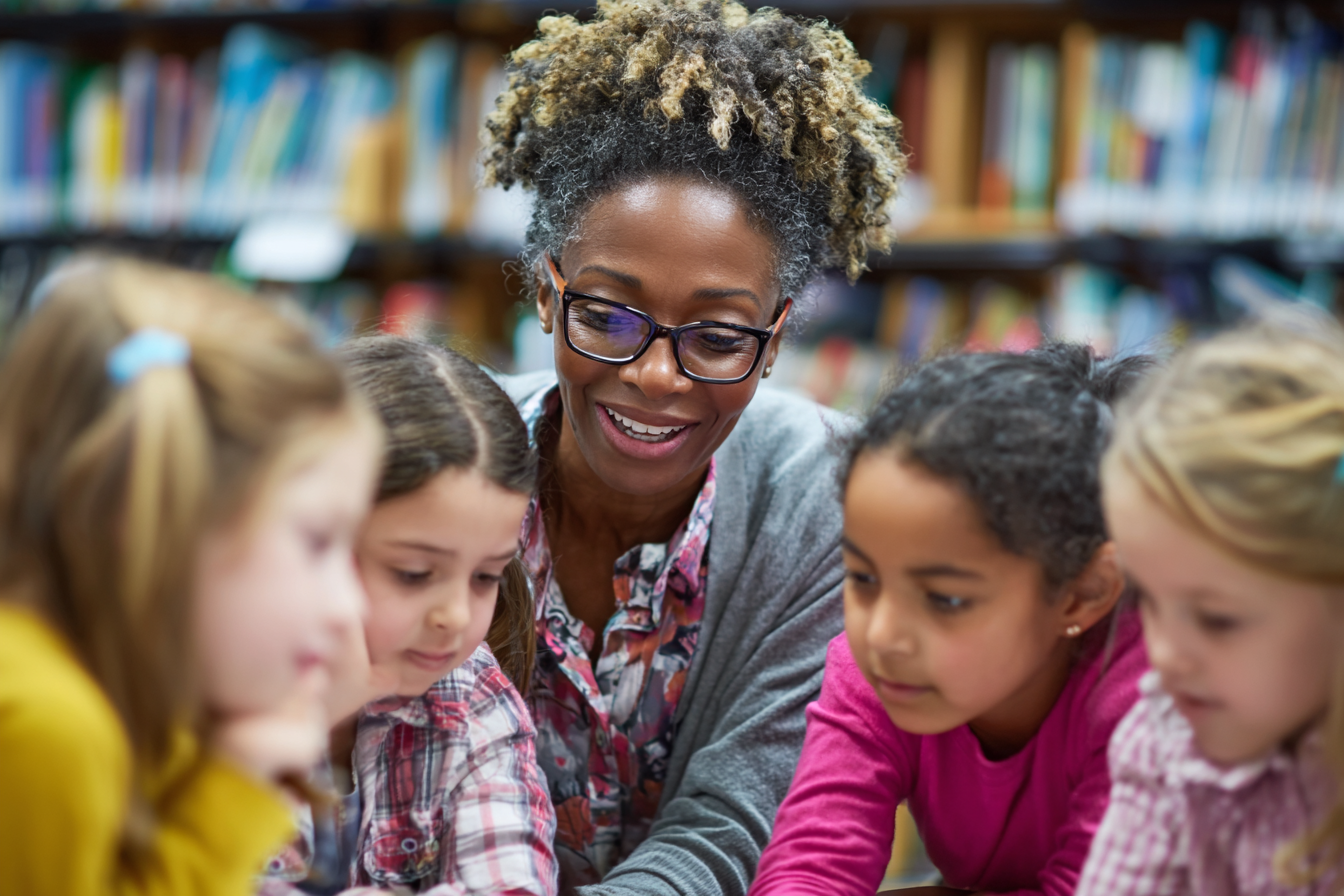
Focus: Help Kindergarten students develop thoughtful oral responses to books, pictures, and shared library experiences. Students practice saying what they notice, think, remember, wonder, predict, and connect to using sentence frames, picture support, whole-group discussion routines, and simple sharing.
Grade Level: K
Subject Area: Library (Oral Response • Observation • Discussion/Meaning-Making)
Total Unit Duration: 1–3 weeks, 50–60 minutes per session
I. Introduction
This unit helps Kindergarten students strengthen their ability to talk about books, pictures, and ideas in clear, meaningful ways. Young learners often notice important details before they can write about them, so oral meaning-making is a major part of early library learning. The librarian can use picture books, nonfiction pages, wordless books, projected images, or photo-rich texts to guide students in saying what they notice, what they think, what they remember, and what they wonder. Through repeated modeling and sentence frames, students begin learning that their observations and ideas can help the whole class understand more deeply.
Essential Questions
- What can I notice in books, pictures, and library lessons?
- How can I share what I think, remember, predict, or wonder?
- How can my idea help the class understand a story, picture, or topic?
- How can I join a group conversation respectfully?
II. Objectives and Standards
Learning Objectives — Students will be able to:
- Ask questions and share wonderings about books, pictures, topics, and ideas introduced in library.
- Share observations, predictions, and simple connections during or after library lessons.
- Join group conversations, story responses, and shared activities in ways that help the whole class learn together.
- Use sentence frames such as “I notice…”, “I think…”, “I remember…”, and “I wonder…” during discussion.
- Listen respectfully when classmates share observations or ideas.
- (Optional Sessions) Strengthen oral response skills through repeated picture discussion, read-aloud response, partner talk, and whole-group sharing.
Standards Alignment — Kindergarten (AASL-based Custom)
- L:S1.Ka — Ask questions and share wonderings about books, pictures, topics, and ideas introduced in library.
- Example: A student asks, “How do bees make honey?” after hearing a nonfiction read-aloud.
- L:S1.Kc — Share observations, predictions, and simple connections during or after library lessons.
- Example: A student says, “I think the character is sad because she lost her dog.”
- L:S3.Kc — Join group conversations, story responses, and shared activities in ways that help the whole class learn together.
- Example: A student participates in a group retelling by adding one event from the story.
Success Criteria — Student Language
- I can say what I notice in a book or picture.
- I can share what I think, remember, wonder, or predict.
- I can make a simple connection during library discussion.
- I can listen when classmates share their ideas.
- I can add one idea that helps the class think about a story, picture, or topic.