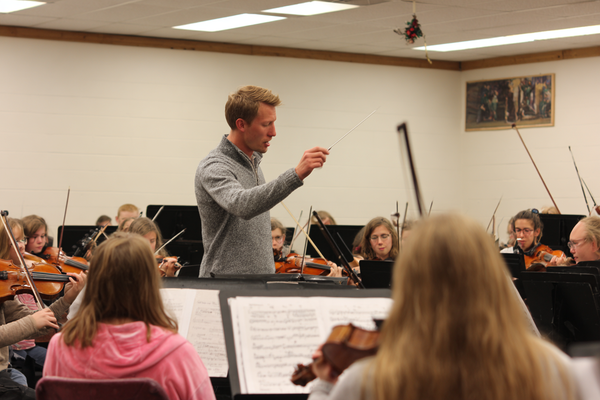
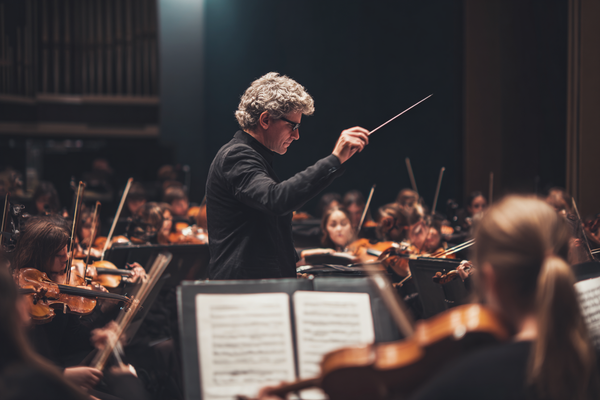
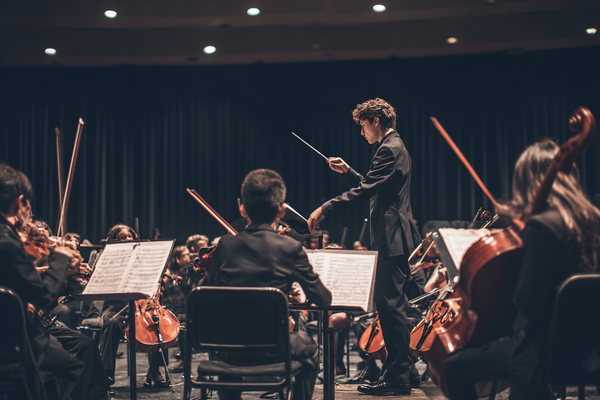
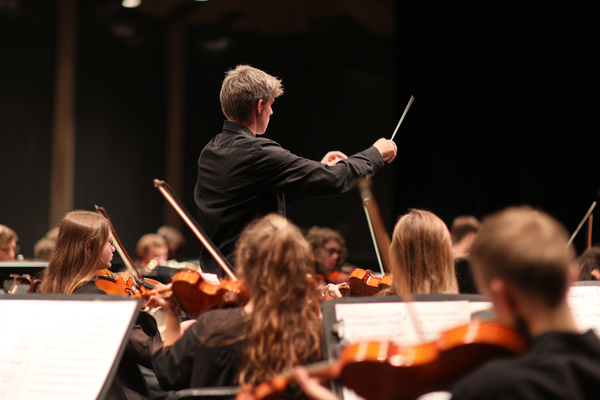
Paid-members only Grade 8 Orchestra Units Unit Plan 27 (Grade 8 Orchestra): Ensemble Performance Grade 8 orchestra unit builds performance-ready ensemble skills through challenging repertoire, focusing on refined tone, accurate intonation and rhythm, unified bowing, balance/blend, and professional rehearsal leadership with a culminating performance and reflection.
Paid-members only Grade 8 Orchestra Units Unit Plan 26 (Grade 8 Orchestra): Storytelling Composition Project Grade 8 orchestra unit guides students to compose and perform narrative string pieces using contour, dynamics, and tone color with justified expressive choices.
Paid-members only Grade 8 Orchestra Units Unit Plan 25 (Grade 8 Orchestra): Authentic Style Performance Grade 8 orchestra unit builds authentic style performance by linking context to tempo, bowing, phrasing, dynamics, and tone for expressive interpretation.
Paid-members only Grade 8 Orchestra Units Unit Plan 24 (Grade 8 Orchestra): Music in Cultural/Historical Context Explore cultural and historical context in Grade 8 orchestra by linking a piece’s time, place, and purpose to performance practice—tempo, bowing, articulation, tone color, and style—for more authentic interpretation.
Paid-members only Grade 8 Orchestra Units Unit Plan 23 (Grade 8 Orchestra): Growth, Identity & Leadership Grade 8 orchestra students reflect on identity, goals, and leadership, connecting personal interests to musical growth and ensemble contributions through a clear action plan.
Paid-members only Grade 8 Orchestra Units Unit Plan 22 (Grade 8 Orchestra): Performance Critique with Evidence Grade 8 orchestra students evaluate performances using tone, intonation, rhythm, bow unity, balance, expression, and style, citing musical evidence to justify critiques.
Paid-members only Grade 8 Orchestra Units Unit Plan 21 (Grade 8 Orchestra): Compare Interpretations Compare multiple recordings of the same string excerpt as Grade 8 orchestra students analyze tempo, phrasing, bowing/articulation, tone, and ensemble unity to justify which interpretation best matches the intended style.
Paid-members only Grade 8 Orchestra Units Unit Plan 20 (Grade 8 Orchestra): Instrument Roles & Texture Explore string orchestra texture by identifying instrument roles (melody, bass, harmony, countermelody) and how tone color, bowing, and string choice shape character and meaning.
Paid-members only Grade 8 Orchestra Units Unit Plan 19 (Grade 8 Orchestra): Form, Tension & Release Analyze orchestra music by mapping form and tension, showing how dynamics, texture, register, and harmony create contrast, unity, and expressive meaning.
Paid-members only Grade 8 Orchestra Units Unit Plan 18 (Grade 8 Orchestra): Present Original Work Perform Grade 8 student-composed orchestra works with accurate pitch/rhythm, refined tone, unified bowing, and a clear composer statement explaining tempo, dynamics, phrasing, and tone color.
Paid-members only Grade 8 Orchestra Units Unit Plan 17 (Grade 8 Orchestra): Student-Led Rehearsal Strategies Grade 8 orchestra students lead sectionals using metronome looping, tuning, bowing isolation and recordings to boost unity, tone and intonation each day!
Paid-members only Grade 8 Orchestra Units Unit Plan 16 (Grade 8 Orchestra): Interpretation Lab—Style Decisions Grade 8 orchestra unit where students compare and perform contrasting interpretations using dynamics, phrasing, bowing, and tone color.
Paid-members only Grade 8 Orchestra Units Unit Plan 15 (Grade 8 Orchestra): Revision Studio—Feasible for Ensemble Grade 8 orchestra students revise their original compositions using clear criteria—intonation, playability, bow control, expressive clarity, and ensemble feasibility—documenting “before-and-after” changes in a revision portfolio that makes their music more performable and expressive.
Paid-members only Grade 8 Orchestra Units Unit Plan 14 (Grade 8 Orchestra): Notation with Expression & Bowings Grade 8 orchestra students notate compositions with clear dynamics, bowings, phrasing, and tempo so others can accurately read and perform their music.
Paid-members only Grade 8 Orchestra Units Unit Plan 13 (Grade 8 Orchestra): Form Design—Rondo/Variation Design a multi-section rondo or theme-and-variation piece as Grade 8 orchestra students organize motives into expressive, unified musical form.
Paid-members only Grade 8 Orchestra Units Unit Plan 12 (Grade 8 Orchestra): Motive & Melody Composition Compose a 12–16 measure melody using motives, variation, contour, and tonic resolution as Grade 8 orchestra students build expressive, playable themes.
The Admin Angle The Admin Angle: Why Principals Should Audit Teacher Time Like a Budget Audit teacher time like a budget: cut low-impact emails and meetings, streamline paperwork, rebalance duties, and protect planning blocks so teachers can deliver stronger instruction and stay in the profession.
Blog Hands-On STEM Labs: Engaging Every Learner with Low-Cost, Inquiry-Based Kits Affordable inquiry-based STEM kits turn any classroom into a rotating lab with recycled materials, simple circuits, and beginner robotics—boosting engagement, equity, and NGSS-aligned learning.
Paid-members only Grade 8 Orchestra Units Unit Plan 11 (Grade 8 Orchestra): Improvisation with Phrasing Grade 8 orchestra improvisation unit builds expressive phrasing through scale-based melodic ideas, style matching, and confident 8–12 beat solos using rhythm, contour, and intent.
Paid-members only Grade 8 Orchestra Units Unit Plan 10 (Grade 8 Orchestra): Advanced Finger Patterns & Shifting Readiness Grade 8 orchestra unit builds advanced finger patterns and shift readiness for accurate intonation, complex keys, and confident technical playing.
Paid-members only Grade 8 Orchestra Units Unit Plan 9 (Grade 8 Orchestra): Early Performance Check Grade 8 orchestra unit prepares concert repertoire with refined tone, accurate pitch/rhythm, unified bowing, strong balance/blend, and professional ensemble etiquette.
Paid-members only Grade 8 Orchestra Units Unit Plan 8 (Grade 8 Orchestra): Record, Analyze, Improve Grade 8 orchestra unit uses rehearsal recordings and targeted peer/teacher feedback to set measurable goals, track progress, and refine intonation, rhythm accuracy, tone, blend/balance, and expressive ensemble performance.
Paid-members only Grade 8 Orchestra Units Unit Plan 7 (Grade 8 Orchestra): Tone Color as Expression Grade 8 orchestra unit explores tone color through bow placement, speed, and string choice, shaping expressive interpretation, character, and ensemble mood.
Paid-members only Grade 8 Orchestra Units Unit Plan 6 (Grade 8 Orchestra): Bowing Unity & Blend/Balance Grade 8 orchestra unit builds bow unity, balance, and blend through section leadership, tone matching, and recording analysis for a cohesive ensemble sound.
Paid-members only Grade 8 Orchestra Units Unit Plan 5 (Grade 8 Orchestra): Independence in Parts & Entrances Grade 8 orchestra students build independence by mastering long rests, precise entrances, and coordinated releases, using score analysis, cueing, and listening to maintain ensemble unity.